‘Knee high by the Fourth of July’: Fact or fiction?
Whether it is farmers from decades ago who used it as a measuring tool or to current growers who say if it’s only knee high, they could become concerned. The old adage “Knee high by the Fourth of July” is an outdated myth, according to agriculture experts.
By Dave Fredrick
The Yale Expositor
The saying, “Knee high by the Fourth of July” seems to rear its head every year about this time.
Whether it is farmers from decades ago who used it as a measuring tool or to current growers who say if it’s only knee high, they could become concerned. The old adage “Knee high by the Fourth of July” is an outdated myth, according to agriculture experts.
Farm journals indicate it was an accurate benchmark for healthy field corn back in the mid-1900s. Modern agricultural technology and advanced seed genetics typically result in corn reaching waist, chest, or even shoulder height by the Fourth of July
Experts say there is a fair amount of discrepancy regarding the origin of the timeless phrase. According to numerous ag documents, some date it back to colonial times, while others say it started in the late 1800s. It was in reference to a corn plant’s life cycle and crop planting time. Corn has a lengthy growing season of three to four months and if it was planted on time, the soil was right, and precipitation was adequate, it would be knee high in time for the July holiday. Typically, this was a good sign the crop would make it to harvest and a bountiful fall harvest was sure to come.
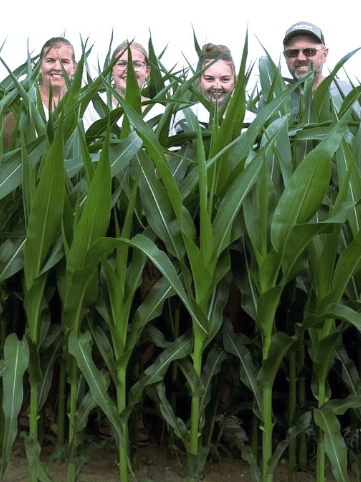
However, local growers in St. Clair, Sanilac and Lapeer counties say times have changed, growing practices have changed and corn varieties have improved dramatically. Based on growing data in multiple states, including Michigan, field corn heights can average six to seven feet by the middle of summer for some growers.
If your corn is only knee-high in early July, area growers say it actually indicates the crop is struggling due to poor soil, drought, or late planting. It was first thought knee-high by the Fourth of July meant if your corn was up to your knees or past them, your crop was on track for a good harvest.
Some years the corn is almost up to your shoulders, but on difficult years it is just knee-high. However, with updated genetics and new technologies, it is rare not to surpass the mythical saying, Michigan State University experts say.
From one side of the state to another, you can see cornfield after cornfield. An interesting fact to some is that many crops in general grow in different stages, from west to east, across the state, at different rates. If you venture from one side of the state to the other, you can walk through corn fields that are ankle-high, knee-high, waist-high or above your head all in the same day.
Farmers used the saying of knee-high in the olden days to measure the success of their corn crop. Growers who have experienced growing the corn crop when they were younger and now, later in life, feel it is strange to still hear the familiar saying, regarding the July holiday.
Longtime local growers say there are situations when knee-high by the fourth doesn’t happen and at times, causes a field to be replanted. When a farmer replants, the crop they originally planted will not harvest to its fullest potential and would be better off planting new seeds. So far this season, replants in the area have been minimal.
Locally, corn growers throughout the area say last week’s extreme heat, mixed in with a little bit of moisture, has allowed the crop to jump over 12 inches in the past week. They say with overnight lows in the 70s, corn has been increasing in height by the minute and appears to be a strong crop, at this point of the growing season.
Author