MDARD pilot program presents possibility in dairy
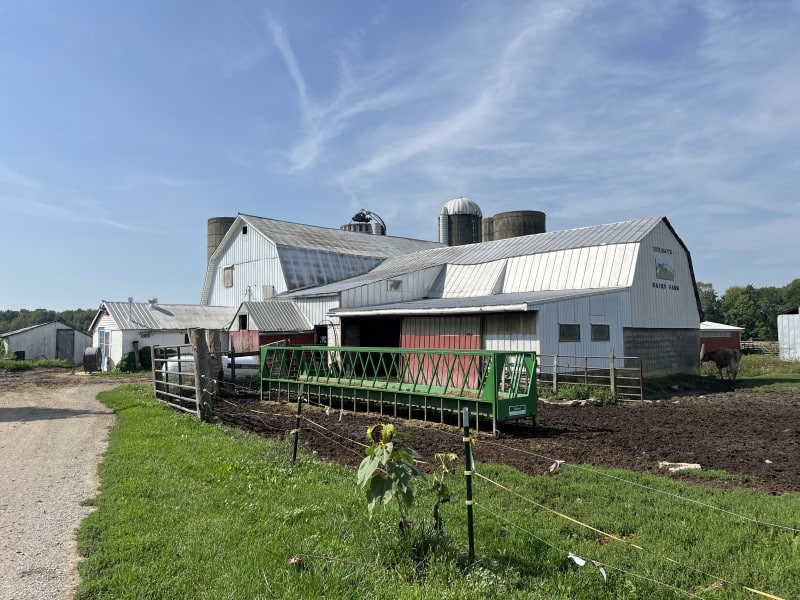
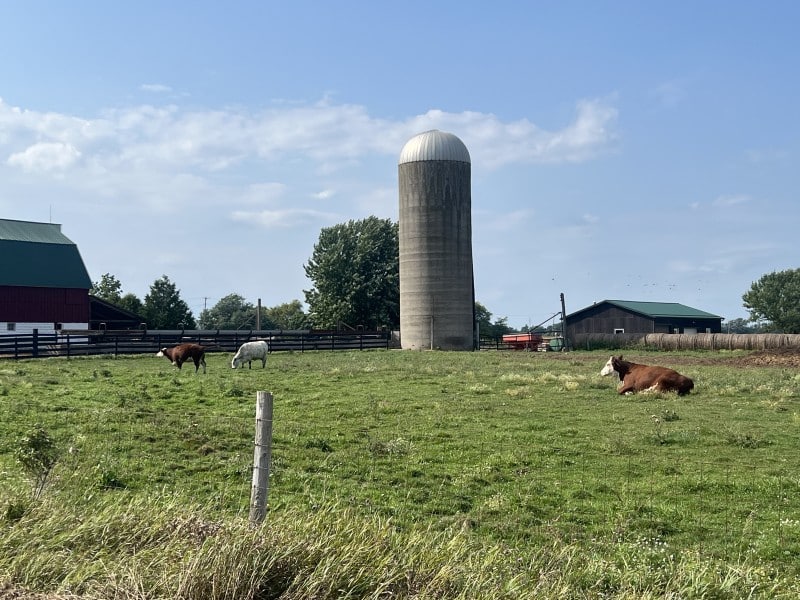
GRANT TWP. — If you’re a cow on Jim Reid’s dairy farm, it’s safe to say you’re well-fed.
With a nutritionist in his ranks, all of Reid’s 275 milking cows are fed “just like they were an athlete, making sure they have every nutrient they need.”
A combination of nutrient-dense silage, hay, corn, a sugar beet byproduct treat and a protein supplement keeps his cows growing, happy and healthy.
But feed costs are one of, if not the, largest expenses on any dairy farm. Some researchers are looking at how reducing reliance on grain and feed — while decreasing milk production — could help many small- to medium-sized farms stay in business, especially at a time when more and more farms fade away each year.
Farming in general is a high-stakes endeavor. Some equipment costs a fortune; a combine that used to cost $200,000 decades ago now costs $500,000, with pricey but critical attachments sold separately. Diesel fuel costs, especially in 2026, have been a financial strain. And depending on the price of milk, which is out of a farmer’s control, breaking even can be an uphill battle at times.
Reid’s head count is by no means small, but it’s not the 1,000-plus strong herd that has become increasingly commonplace across the American dairy landscape.
In the “get big or get out” world of dairy that has been the norm for decades, many smaller farms have been forced out of business. Whether that’s from a lack of profit in an ever-demanding industry or, as some local dairy farmers have told the Yale Expositor, due to the lack of an heir — or at least an interested heir — to take over the family farm.
That “get big or get out” mentality is alive and well, Megan DeLeeuw, Soil, Water and Climate Section manager at the Michigan Department of Agriculture and Rural Development (MDARD), told the Expositor.
MDARD is testing “low-overhead dairy grazing” through a partner pilot program.
Through a $276,490 grant awarded to The Wallace Center at Winrock International — an American organization championing Dr. Jon Winsten’s research on low-overhead dairy grazing that approached the state two years ago — Michigan is assisting three state dairy farms in reducing costs through a grazing-focused approach.
A March 2024 article in the Journal of Soil and Water Conservation authored by Winsten emphasized dairy farming’s importance in the country’s rural fabric, noted the capital intensity and incentives to maximize milk production on confinement-feeding farms, and highlighted the cost savings of grazing pastures.
For those three dairy farms in Michigan, “down the road, maybe they’ll see soil or milk quality benefits,” said DeLeeuw, who noted the effort is part of a larger state program in regenerative agriculture.
The surrounding conversation
A grazing farm isn’t exactly new, but in today’s world, it’s an anomaly.
Reid recalls a more grazing-focused approach from his childhood. Nowadays, no local peers come to mind who still implement it.
Naturally, dairy farmers relying on grazing need appropriate acreage based on their herd size. Michigan’s grazing season runs from May through October, which could be extended with stockpiled forage.
This form of feeding would result in decreased milk output, but at a drastically reduced cost, challenging the existing notion of expanding to survive.
The state’s role
“[The program] is not insignificant, but it’s a modest investment,” DeLeeuw said of the pilot.
The groundwork was laid two years ago when MDARD received $16 million as part of the MI Healthy Climate Plan.
DeLeeuw’s office was created from that funding, which supports commitments to strengthen soil health and “regen ag” practices.
“Over the past couple years, what started out as mainly talking about soil — and the focus still is — it’s also evolved to focus on, if you have a healthy soil, you can reduce your inputs,” DeLeeuw said. “This dairy project touches on those points acutely.”
— Max Kappel is a Report for America Corps member, a national organization seeking to fill news deserts and report on undercovered issues. Make a tax-deductible donation to support his work at tinyurl.com/2s372ebu; Report for America will match it dollar for dollar.